
The Digital Boom: How Technology Reshaped Betting
- Kamis, 2 Juli 2026
- Artikel Terbaru
- Cetak
Online Gambling Secrets: The High-Stakes Thrills You Haven’t Tried Yet
You’re on your couch at 2 a.m., and with a tap on your phone, you place a bet on a live poker hand. Online gambling brings that casino floor or sportsbook straight to your screen, letting you wager real money through websites or apps anytime you want. The big draw is sheer convenience—you skip travel, dress codes, and crowds while still chasing that rush of a win with just a few clicks. To start, you simply create an account, deposit funds, and pick a game or bet that fits your mood.
The Digital Boom: How Technology Reshaped Betting
The digital boom fundamentally altered online gambling by introducing live betting interfaces that update odds in real-time during a match. Smartphones now let users place wagers from any location, with instant deposit features enabling immediate action. Advanced algorithms analyze player behavior to suggest personalized bets, while streaming integration allows gamblers to watch events directly within the betting app. Push notifications alert users to new betting opportunities, and one-tap features reduce friction between seeing a line and committing funds. Cash-out functions, powered by real-time data feeds, give bettors control to settle wagers before an event ends.
From Dial-Up to 5G: The Evolution of Wagering Platforms
The shift from dial-up to 5G transformed wagering from a static, delayed activity into a fluid, real-time experience. With early modems, placing a bet often required refreshing a page for minutes; 5G now enables instant market updates and seamless live streaming. This progression is defined by latency reduction, bandwidth expansion, and mobile optimization. A single dropped connection during a 56k session could invalidate a wager, a scenario eliminated by 5G’s low latency. The practical user journey unfolded as:
- Real-time wagering evolution emerged: dial-up’s asynchronous bets became 5G’s in-play micro-betting.
- Streaming integrated directly into the betting slip, allowing simultaneous viewing and wagering.
- Mobile platforms shed stripped-down interfaces for full-featured apps with live odds and cash-out.
Mobile Apps and the Rise of Instant Play
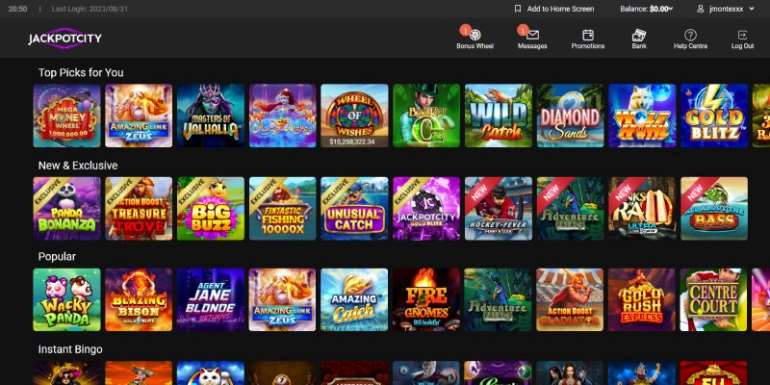
Instant play functionality within mobile apps has eliminated the need for lengthy downloads, allowing you to spin slots or join a live blackjack table directly from your browser with a single tap. This seamless access means a five-minute commute can become a spontaneous betting session, with full-screen graphics and haptic feedback mimicking a physical casino experience. Mobile-optimized instant-play platforms now adapt effortlessly to any screen size, letting you switch from a tablet at home to a smartphone on the go without losing your place in a game. The speed of loading and refreshing, coupled with one-touch deposits, transforms idle moments into immediate wagering opportunities.
- No app store installs are required; you play directly through your mobile browser.
- Your balance and game history update in real-time across multiple devices.
- Battery usage is minimal since instant-play builds are leaner than full downloaded apps.
Live Dealer Experiences: Bridging the Gap Between Virtual and Land-Based
Live dealer experiences replicate the sensory cues of a physical casino by streaming real tables, cards, and croupiers directly to a user’s screen. Players place bets through an interactive interface while watching the action unfold via multiple camera angles, eliminating delays or algorithmic suspicion. This bridges the gap between virtual and land-based play by allowing real-time decisions, like choosing when to hit or stand, and social chat with dealers. The tactile feel of a hand-pushed chip or shuffled deck is lost, but the authenticity of human oversight persists. Latency remains a practical hurdle; a stable connection is vital to avoid missed bets during fast-paced rounds like Lightning Roulette. Q: Can I interact with the dealer in real time? A: Yes, via live chat, though dealers cannot see you—only your username and messages appear on their monitor.
Navigating the Legal Labyrinth: Regulations Worldwide
Navigating the legal labyrinth globally means verifying a casino’s license before depositing, as a jurisdiction like Malta or Curaçao offers different player protections. Always check if local laws allow you to access the site from your physical location, since many platforms geoblock accounts. Q: How do I check if a site is legal for me? A: Read the terms for your country and use a VPN-free connection; if the site blocks you, it’s likely prohibited in your region. This step prevents seized funds and ensures any dispute falls under a regulatory body you can actually use.
Licensed Jurisdictions vs. Grey Market Operators
Choosing between a licensed jurisdiction safe haven and a grey market operator is your first real risk assessment in online gambling. Licensed sites answer to strict authorities, guaranteeing fund segregation, audited game fairness, and binding dispute resolution. Grey market operators, while often offering generous bonuses or fewer restrictions, operate without oversight, meaning your complaint goes nowhere if they withhold withdrawals or rig software. Your protections vanish the moment you play outside a regulated license.
Licensed jurisdictions enforce player safeguards and legal recourse; grey market operators offer risk with no accountability.
Age Verification and Geolocation Technologies
Navigating legal complexities demands robust tools. Geolocation and age verification technologies act as your frontline defense, instantly confirming you’re inside a permitted jurisdiction and over the legal gambling age. They cross-reference your device’s IP address, Wi-Fi signals, and GPS data, often with a secondary identity document scan. This process blocks access from restricted regions or underage users before a single bet is placed. Q: Can a simple VPN bypass these checks? A: Modern systems detect and block known VPNs, proxy servers, and anonymizers with high accuracy, making circumvention extremely difficult for users.
Tax Implications for Players and Platforms
For players, winnings from online gambling are typically classified as taxable income, requiring self-reporting to local tax authorities, with deductions for losses often capped at winnings. Platforms, meanwhile, face withholding tax obligations on player payouts in jurisdictions like the UK, necessitating automated deduction at source. A player’s tax liability depends on residency and the platform’s licensing jurisdiction, creating potential double taxation without bilateral treaties. Platforms must implement reporting mechanisms for high-value transactions to comply with anti-money laundering frameworks, directly linking record-keeping to tax compliance. Failure to accurately declare net gambling income can trigger audits and penalties for both parties.
Game Mechanics and Player Psychology
Online gambling mechanics exploit core psychological vulnerabilities through design. Variable ratio reinforcement—rewarding users after an unpredictable number of actions—creates the strongest compulsion loop, tricking the brain into chasing losses. Near-misses, where a result visually resembles a win, artificially inflate dopamine responses, making failure feel like learning. Autoplay features and spinning reels remove friction, bypassing conscious decision-making.
Losses disguised as “almost wins” systematically override rational risk assessment, training the player to persist.
The illusion of control, via manual stop buttons or customizable bet sizes, further anchors the player in a false sense of skill, while persistent visual and audio cues (flashing lights, celebratory sounds) condition rapid, repetitive engagement. These mechanics directly engineer a psychological state where quitting feels irrational.
Slot Design: Near Misses, Sound Effects, and Variable Rewards
Slot design exploits psychological manipulation in slots through near misses, where losing symbols visually align just off the payline, tricking the brain into feeling close to a win and encouraging continued play. Simultaneously, engineered sound effects—celebratory jingles for small wins and rhythmic reels—condition players through auditory Pavlovian responses, masking losses as near-wins.
| Mechanic | Player Effect |
|---|---|
| Near Misses | Triggers dopamine release, mimics win signal |
| Sound Effects | Reinforces action, creates false positive feedback |
| Variable Rewards | Unpredictable reinforcement loops maximize engagement |
These three elements layer together to form an addictive feedback loop that bypasses rational decision-making.

Table Game Strategies: Blackjack, Poker, and Roulette Dynamics

Mastering table game strategies for online play hinges on understanding each game’s distinct dynamics. In blackjack, basic strategy charts dictate when to hit or stand based on the dealer’s upcard, reducing the house edge to under 1%. Poker shifts focus to opponent psychology, using bet sizing and position to exploit tendencies. Roulette, purely chance-based, benefits from outside bets like red/black for near 50% odds, but no strategy alters the wheel’s physics. Each demands a different mindset: blackjack rewards calculation, poker rewards reading patterns, and roulette rewards bankroll discipline.
| Game | Core Strategy | Primary Variable |
|---|---|---|
| Blackjack | Basic strategy (hit/stand/double) | Dealer’s upcard |
| Poker | Position & bluff frequency | Opponent behavior |
| Roulette | Outside bets (even money) | Random number generation |
Skill vs. Chance: Sports Betting and Esports Markets
In sports betting and esports markets, the balance between skill vs. chance in betting shifts dramatically. Traditional sports rely heavily on chance—injuries, weather, referee calls—making predictions inherently risky. Esports, however, often amplifies the skill component because players and teams follow consistent patch notes and meta shifts; a bettor can study replays and player form like a coach would. Yet even the most analytical esports wager can be undone by a lag spike or a roster tilt. So, which demands more knowledge?
Q: Is esports betting more skill-based than traditional sports betting?
A: Generally yes, because esports variables are more controlled, but both require deep research to tilt the odds in your favor.
Financial Transactions in the Ecosystem
Maria’s night began with a quick debit card deposit, the financial transactions in the ecosystem flowing instantly into her player balance. After a hot streak on the slots, she requested a withdrawal, watching the funds move from the casino wallet through a third-party payment processor. The system split her payout: a portion sat in pending status for 24 hours while anti-fraud checks scanned the transaction settlement flow. Within two days, her e-wallet pinged with the full amount, minus a flat fee. Every deposit and withdrawal in this closed loop depends on the seamless handshake between her bank, the platform’s merchant account, and the payout provider—each step a silent link in the chain of digital money movement.
Deposit Methods: Credit Cards, E-Wallets, and Cryptocurrencies
Deposit methods for online gambling offer distinct trade-offs between speed, privacy, and cost. Credit cards provide instant access but may incur bank fees or be blocked by some issuers. E-wallets like PayPal or Skrill act as a buffer, enabling faster withdrawals and enhanced anonymity from your primary bank. Cryptocurrencies, particularly Bitcoin, deliver the highest privacy and near-instant processing, often with lower fees than fiat options. To choose the best method for your needs, follow this simple sequence:
- Verify the method is accepted at your chosen casino.
- Compare minimum deposit limits and any processing fees.
- Select a cryptocurrency for maximum anonymity or an e-wallet for the fastest cashouts.
Withdrawal Speeds, Fees, and Verification Processes
Withdrawal speeds in online gambling vary from instant for e-wallets to several business days for bank transfers. Fees are typically absent on standard methods but may apply for rapid payouts or currency conversion. The verification process, or KYC, forms a critical prerequisite: players must submit identification and proof of address before the first cashout. Subsequent withdrawals usually bypass this step, pending further security triggers. For clear withdrawal efficiency, prioritize verification-compliant account setup:
- Upload documents upon registration or before requesting funds
- Select e-wallets for near-instant processing
- Avoid weekend initiation to prevent bank transfer delays
Responsible Spending Tools: Deposit Limits and Self-Exclusion
Responsible spending tools like deposit limits let you cap daily, weekly, or monthly losses before wagering begins, effectively blocking impulse overspending. Self-exclusion empowers you to close access to your account for a chosen duration, halting all play entirely. Layering both tools creates a safety net that addresses different risk moments—limits curb gradual overspend, while exclusion provides a hard stop during escalating behavior. Actively set these boundaries before a session, not after a loss, as the controls lock immediately upon activation.
| Tool | Primary Function | User Control Point |
|---|---|---|
| Deposit Limits | Restrict money added to account | Set per day/week/month |
| Self-Exclusion | Block account access entirely | Choose days, months, or permanent |
Marketing Tactics That Drive Player Engagement

Effective marketing tactics for online gambling player engagement rely on layered behavioral triggers. Personalised deposit bonuses triggered by a player’s specific game history drive immediate replay, while loss-chasing mechanics like “cashback on net losses” maintain session stickiness. Gamified progression systems—such as tiered loyalty ladders with exclusive table limits—convert casual bets into committed habits. Q: What single tactic most reliably extends session time without raising drop-off? A: Time-limited “freeroll tournaments” that require a minimum of five real-money wagers to enter—they force action while masking the cost as entertainment.
Welcome Bonuses, Free Spins, and Cashback Offers
Welcome bonuses leverage a matched deposit percentage to immediately inflate a new player’s bankroll, creating a low-risk entry point. Free spins are typically bundled with specific slot titles, allowing users to explore games without personal stake while still retaining potential winnings. Cashback offers refund a fixed percentage of net losses over a set period, reducing the sting of a losing session and encouraging continued play. A common sequence for these offers includes:
- Claiming a deposit match upon registration, which doubles or triples the initial funds.
- Activating a set of free spins tied to that same deposit.
- Receiving a weekly or daily cashback rebate on any resultant losses.
Strategic tiered cashback structures often increase refund rates as player loyalty grows, directly incentivizing repeat sessions.
Loyalty Programs and VIP Tiers
Loyalty programs in online gambling structures reward consistent play through point-based systems, which players can exchange for bonuses or free spins. VIP tiers, often labeled Silver through Diamond, provide escalating perks like faster withdrawals, personal account managers, and exclusive event access. Players must calculate whether the wagering requirements tied to tiered rewards justify their increased spending. These programs directly influence retention by making frequent betting feel economically advantageous through tiered cashback incentives, where higher status unlocks better loss recovery rates.
Affiliate Networks and Social Media Influence
Affiliate networks drive player engagement by leveraging trusted content creators who showcase real gameplay and bonuses within their communities. Social media influencers amplify this by hosting live streams or exclusive challenges, creating urgent calls-to-action that convert followers into depositors. To maximize retention, platforms utilize exclusive affiliate tracking links that trigger personalized bonuses for specific audiences. How do affiliate networks use social metrics to target high-value players? They analyze engagement data from influencer posts to adjust offers in real time, ensuring promotional content matches user behavior and keeps players invested.
Security, Fairness, and Trust Factors
Security in online gambling relies on SSL encryption to protect financial transactions and personal data, alongside two-factor authentication to prevent account hijacking. Fairness is ensured through provably fair algorithms or certified random number generators, which allow players to independently verify each game outcome. Trust factors include transparent payout percentages and clear terms for bonuses and wagering requirements. A reputable platform’s willingness to audit its core systems publicly, rather than merely claiming compliance, is the strongest indicator of genuine trustworthiness. Without these technical safeguards, players have no reliable way to confirm game integrity or data safety, making the entire experience a gamble beyond the intended game mechanics.
Random Number Generators and Auditing Agencies
At the core of provable fairness, independent auditing agencies rigorously test Random Number Generators (RNGs) to ensure outputs are statistically random and unpredictable. These agencies, such as eCOGRA or iTech Labs, evaluate RNG seeding and cycle length against industry standards, issuing certificates that players can verify. Even a certified RNG must be re-audited periodically, as entropy sources can degrade over time. Key verification steps include:
- Confirming the RNG’s source code is sealed and unchanged.
- Running millions of algorithmic tests for uniformity and non-correlation.
- Validating that the RNG cannot be reverse-engineered or influenced by external data.

Data Encryption and Privacy Protections
When you gamble online, your personal and financial details need fortress-level safety. Data encryption and privacy protections turn your info into unreadable code, so only the site can decode it. Look for SSL encryption—that little padlock in your browser’s address bar means your connection is locked tight. Top sites also use transport layer security to scramble data during transfers, keeping hackers out. Privacy policies should promise they won’t sell your email or betting habits; check for settings that let you limit data sharing. This ensures your username, address, and payment moves stay yours alone.
Player Reviews and Reputation Tracking
Savvy online gamblers leverage real-time player reputation tracking to vet platforms before depositing. By aggregating independent player reviews across dedicated forums and watchdog groups, you identify consistent payout delays or disputed bonuses that marketing materials bury. Reputation tracking monitors how casinos handle account closures and withdrawal requests over time, creating a trust history that flags unreliable operators. Scrutinize user reports about verification bottlenecks or altered wagering conditions, as these patterns expose hidden risks. Prioritizing consensus-based player feedback over promotional hype protects your bankroll from untrustworthy sites, ensuring you only engage with platforms proven to honor withdrawals and terms.
The Dark Side: Addiction and Harm Prevention
The instant payout and endless availability of online gambling quietly rewire reward pathways, making it frighteningly easy to chase losses during a late-night spiral. That “just one more spin” often *blurs into hours of lost time and money* before you realize the trap has closed. Setting firm deposit limits before you log in creates a critical barrier against that momentum. Taking a mandatory 24-hour break after any significant loss can interrupt the compulsion cycle. Recognizing that the platform’s design is engineered for engagement—not your success—is the first step to reclaiming control over your own choices.
Warning Signs of Problematic Play
Problematic play in online gambling often begins with subtle shifts in behavior. Watch for escalating bet sizes to chase losses or regain a feeling of excitement. Other key signs include lying about time or money spent, feeling irritable when unable to play, and neglecting work or relationships. Persistent thoughts about gambling or using it to escape stress also signal trouble. If you notice these patterns, it indicates the activity is moving from entertainment to harm, demanding immediate self-reflection or external support.
Support Resources: Helplines and Treatment Options
For online gambling issues, immediate support is available through 24/7 helplines like the National Problem Gambling Helpline (1-800-522-4700), which offers crisis intervention and referrals. Accessing professional treatment is critical; options include cognitive-behavioral therapy (CBT) for restructuring gambling triggers and self-exclusion programs that block access to gambling sites. Many recovery plans now integrate digital monitoring tools alongside in-person counseling for sustained accountability. Helplines also provide free, confidential chats for those hesitant to call, while inpatient rehab centers focus on severe cases. These resources prioritize your privacy and immediate withdrawal management.
Summary: Helplines and structured treatment options, including CBT and self-exclusion, offer actionable, confidential pathways to break the gambling cycle and prevent relapse.
Industry Initiatives for Safer Gambling
Operators now embed dynamic safer gambling tools directly into the gameplay experience, such as mandatory reality checks that pop up mid-session to trigger pauses. Customizable deposit limits, cool-off periods, and self-exclusion systems are immediately adjustable from user dashboards, empowering players to set hard boundaries before betting. These initiatives also integrate real-time spending trackers that visualize losses versus time played, providing actionable insights.
Industry initiatives for safer gambling shift responsibility onto the platform, arming players with practical, real-time controls to intercept harmful patterns as they emerge.
Future Trends: VR, Blockchain, and AI Integration
In online gambling, VR will drop you into a virtual casino where you can physically walk between poker tables and slot machines, making the experience feel less like clicking a screen. Blockchain takes the trust issue out of your hands by recording every bet and payout on an immutable ledger, so you can verify the game’s fairness yourself without relying on the house. Meanwhile, AI integration acts as your personal risk manager—it quietly analyzes your play patterns to suggest session limits before you tilt, and it can even adapt game difficulty to your skill level in real-time. That same AI, though, might subtly adjust pacing to keep you engaged longer, which is worth watching. Together, these tools create a more transparent and immersive environment, but the balance of control remains a personal choice.
Virtual Reality Casinos: Immersive Environments
In online gambling, immersive VR casino environments replace flat screens with a spatial, 360-degree lobby where you physically walk between slot machines and blackjack tables. Haptic controllers let you pull a lever or place chips with tactile feedback, while spatial audio replicates the ambient clatter of a real floor. You see other players as avatars with realistic hand gestures, enabling non-verbal table signaling. The environment reacts to your movements—leaning into a virtual poker table zooms your view on cards, and directional sound pinpoints a winning slot from across the room.
Virtual Reality Casinos convert online gambling into a physically navigable, sensory-rich space where player actions and environmental feedback mirror a land-based venue.
Cryptocurrency Gaming: Anonymity and Provably Fair Systems
In online gambling, cryptocurrency gaming lets you skip the usual identity checks, depositing with digital wallets instead of handing over personal docs. The real draw is provably fair algorithms, which let you verify every shuffle or roll instantly through blockchain code—no more trusting the house blindly. This system ensures outcomes aren’t tampered with after bets are placed, giving you genuine transparency. For anonymity, transactions link to a wallet address, not your name, keeping gameplay private. It’s a straightforward way to gamble smarter without sacrificing privacy or fairness.
- Use a crypto wallet to deposit without submitting ID or bank details for true anonymity.
- Verify each game result yourself via provably fair hashes and seed data.
- Bet with coins like Bitcoin or http://duelbits.win/ Ethereum to keep your real identity off the casino’s books.
AI-Powered Personalization and Fraud Detection
AI-driven systems analyze real-time player behavior to deliver personalized betting experiences, dynamically adjusting game recommendations and limits based on individual risk tolerance and play patterns. Simultaneously, fraud detection algorithms scan transactional data for anomalies, flagging bots, account takeovers, or irregular wagering sequences instantly. This dual capability ensures a user’s interface evolves uniquely while unauthorized activity is quarantined without disrupting legitimate play. Machine learning models continuously refine both personalization and detection accuracy through player feedback loops, creating a seamless balance between tailored engagement and security.